

 Vietnamese
 Taiwanese
IIQ – Investor and Developer of Battery Energy Storage System (BESS)
Amid the global energy transition and the steadily increasing demand for electricity, businesses and organizations are seeking advanced technological solutions to optimize energy usage, ensure power supply stability, and move toward sustainable development.
With a strategic focus on technology and smart energy infrastructure, IIQ participates in Battery Energy Storage System (BESS) projects as an investor and project developer. Through energy investment funds, IIQ supports the development of clean energy projects and modern energy infrastructure.
By investing and collaborating with international technology partners, IIQ aims to build a smart energy ecosystem that enhances energy efficiency for enterprises, industrial parks, and large-scale infrastructure systems.
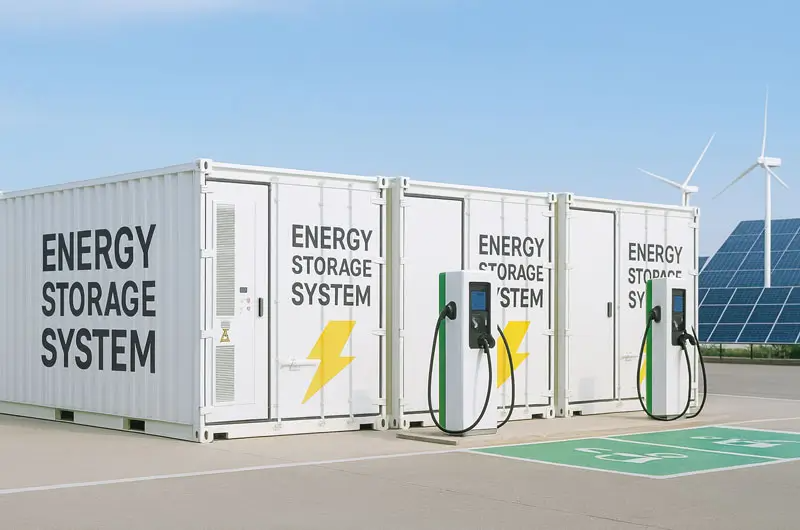
Battery Energy Storage System (BESS)
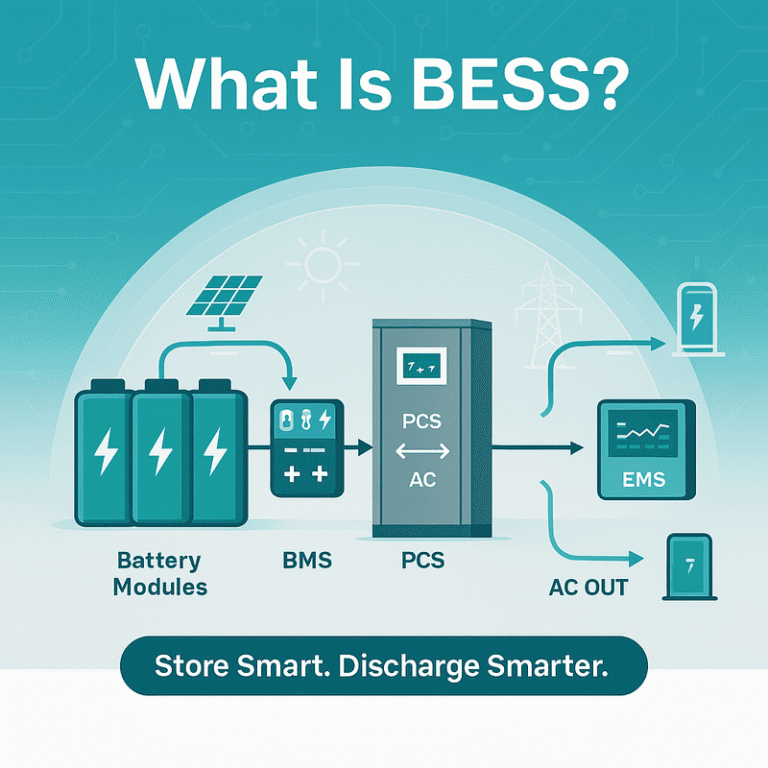
What is BESS?
BESS (Battery Energy Storage System) is a system that stores electrical energy in batteries, allowing electricity to be stored when supply is abundant and released when demand increases or when the power system experiences interruptions.
This system functions like an “energy bank,” helping balance electricity supply and demand while supporting the efficient integration of renewable energy sources such as solar power and wind power.
BESS is becoming one of the key energy infrastructures of modern power systems, particularly in sectors such as:
- Data Centers
- Industrial Manufacturing Facilities
- Renewable Energy Systems
- Smart Grids and Industrial Parks
Benefits of BESS Systems
The deployment of Battery Energy Storage System (BESS) projects brings significant benefits to both businesses and power systems.
Energy Cost Optimization
BESS allows electricity to be stored when energy prices are low and used when prices are higher. This helps businesses optimize operational costs and significantly reduce energy expenses.
Reliable and Stable Power Supply
For industries that require uninterrupted power such as data centers, industrial manufacturing, and AI facilities BESS provides backup power and helps maintain continuous system operations.
Maximizing Renewable Energy Efficiency
Renewable energy sources are often intermittent due to weather and time variations. BESS enables excess energy to be stored and supplied when needed, improving the efficiency and utilization of green energy.
Reducing Emissions and Supporting ESG Goals
By integrating energy storage with renewable energy systems, businesses can reduce carbon emissions and align with sustainability standards and ESG strategies (Environmental – Social – Governance).
The Importance of BESS
In modern energy systems, BESS is not only a storage solution but also plays a critical role in:
- Stabilizing power systems and regulating energy output
- Supporting the integration of renewable energy into the grid
- Enhancing system backup capacity and energy security
- Optimizing energy management for enterprises
Many countries worldwide have already deployed large-scale BESS projects to balance power grids, stabilize frequency, and support renewable energy integration.
Looking ahead, as electricity demand continues to rise especially driven by AI, data centers, and high-tech industries BESS will become an essential component of smart energy infrastructure.
Structure of a BESS System
A complete Battery Energy Storage System (BESS) typically consists of the following key components
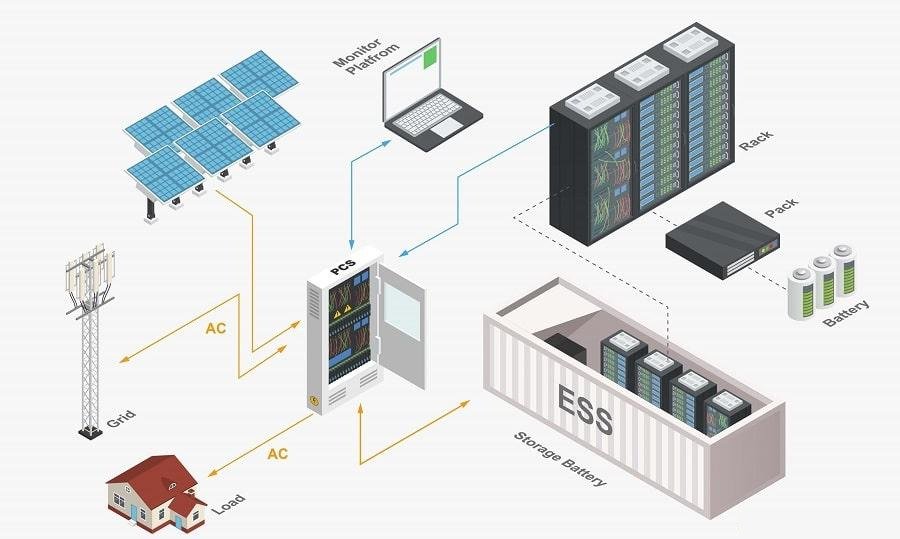
Battery System
This is the core component of BESS, commonly using Lithium-ion or Lithium Iron Phosphate (LFP) batteries, which provide high energy storage capacity, long lifespan, and high operational reliability.
Power Conversion System (PCS)
The PCS converts electrical current between AC and DC, enabling the battery system to charge and discharge efficiently while interacting with the power grid or on-site energy systems.
Energy Management System (EMS)
The EMS functions as the control and optimization center of the energy storage system. It manages charging and discharging operations based on energy demand, grid conditions, and operational strategies to maximize efficiency and system performance.
Supervisory Control and Data Acquisition (SCADA/ Monitoring System)
This system enables real-time monitoring and control of the entire BESS operation, including:
- Battery status
- System power output
- Current and voltage levels
- Operating temperature
Through continuous monitoring, the system ensures safety, operational stability, and optimal performance of the energy storage infrastructure.
Investment Cooperation for BESS Project Development
To promote the development of energy storage projects in Vietnam and the region, IIQ is expanding its cooperation with enterprises, organizations, and project developers in the energy sector.
IIQ can participate in projects in the following roles:
- BESS Project Investor
- Project Development Partner
- Partner in deploying energy infrastructure solutions
- Connector to international technology and financial partners
Enterprises or organizations that possess land resources, renewable energy projects, or energy infrastructure projects may collaborate with IIQ to jointly develop BESS projects in the future.
If your organization has an energy project or is seeking to develop an energy storage system, please contact IIQ to explore opportunities for cooperation in developing sustainable energy projects.
IIQ – Partnering in the development of smart and sustainable energy infrastructure.